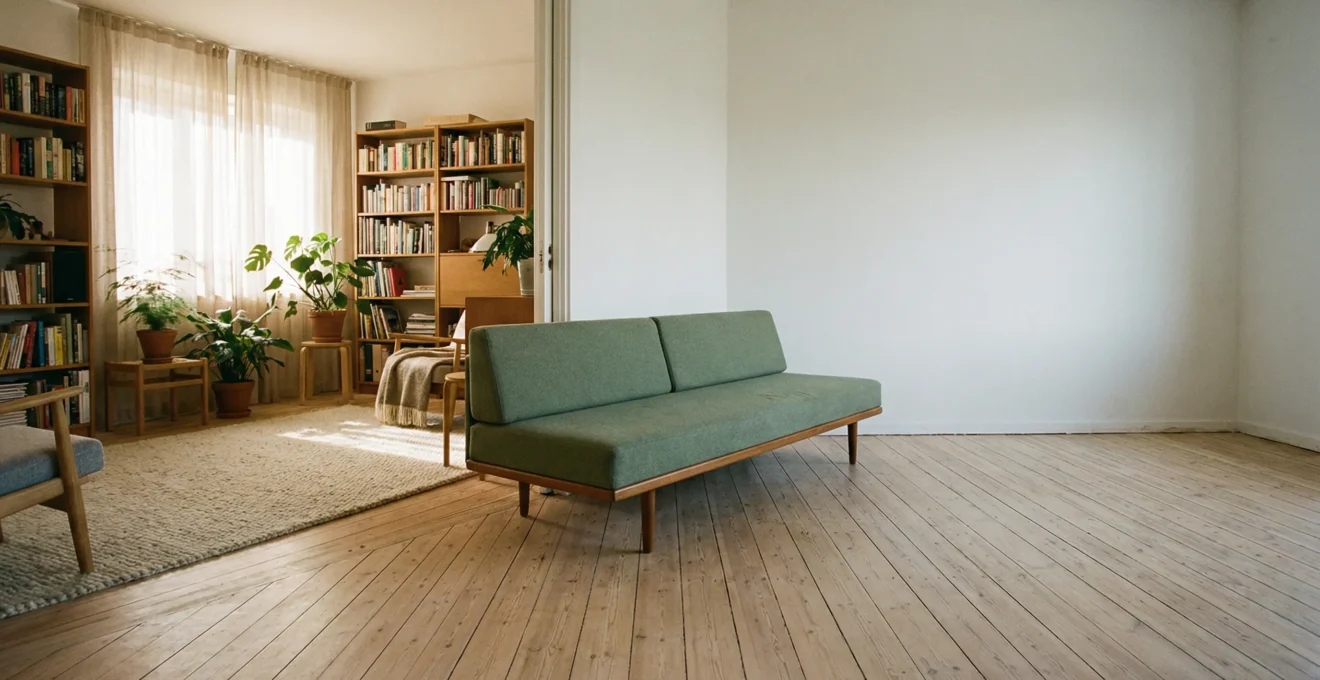
Buying strategic assets often beats renting, even for stays as short as 18 months.
- Furniture subscriptions often hide high long-term costs through damage clauses and strict terms.
- Reselling quality items or using buy-back schemes can recover up to 50-70% of your initial outlay.
Recommendation: Audit your expected tenancy length; if it exceeds 12 months, opt for second-hand designer pieces or “hackable” flat-pack furniture over rental contracts.
For the modern digital nomad or the short-term tenant in London, the allure of “hassle-free” living is potent. Why drag a sofa up three flights of stairs when you can subscribe to a lifestyle where furniture appears and disappears on demand? The narrative of the circular economy is often co-opted by rental companies promising flexibility, but convenience carries a premium that often escapes initial scrutiny.
We often hear the standard advice: “Rent if you are staying less than a year, buy if you stay longer.” However, this binary view ignores the liquidity of physical assets and the hidden fees of subscription models. By understanding the true mechanics of depreciation, resale markets, and damage clauses, we can uncover whether the “subscription life” is a savvy hack or a financial leak. It is time to look beyond the monthly fee and calculate the total cost of ownership in a truly circular economy.
This analysis breaks down the financial reality of furnishing a temporary home, moving from the hidden costs of rental contracts to the investment potential of designer chairs.
To navigate this financial landscape effectively, we must first dismantle the costs of the rental model before exploring smart ownership strategies. The following breakdown guides you through this calculation.
Table of Contents : Renting vs Buying Analysis
- Why Renting a Sofa Costs More After 18 Months
- How to Resell IKEA Furniture for 50% of Retail Price
- Refurbished vs New: Does ‘Second Life’ Mean Scratched?
- The Damage Clause in Furniture Rental Agreements You Must Read
- How to Donate Bulky Furniture When Charities Refuse It
- Why a Wall Bed Can Save You £10,000 in Property Value
- When to Sell: Identifying Peaks in the Vintage Furniture Market
- Investing in Icons: Which Designer Chairs Hold Their Value Best?
Why Renting a Sofa Costs More After 18 Months
The marketing pitch for furniture rental revolves around low monthly payments. It feels manageable to pay £40 a month for a sofa rather than £800 upfront. However, this model relies on the same psychology as a gym membership: the provider banks on you staying longer than you planned. The accumulation of these small payments creates a deceptive financial curve.
To visualize this, consider how small coins stacked over time eventually surpass the value of the asset itself. The accumulation of monthly fees is relentless and linear, unlike the value of purchased furniture.
Once you cross a specific time threshold, you are essentially paying for the sofa a second time. Financial analysis indicates that the break-even point for furniture rental typically occurs around the 3-year mark for most standard pieces. However, for premium rental services, this timeline can compress to as little as 18 months. Beyond this point, you are renting a liability, not an asset.
If your tenancy extends unexpectedly, buying a budget-friendly option and discarding it might mathematically beat renting a premium piece.
How to Resell IKEA Furniture for 50% of Retail Price
There is a pervasive myth that mass-produced flat-pack furniture has zero resale value. While it lacks the prestige of antiques, its ubiquity is actually its greatest asset. The market for second-hand IKEA is massive because buyers know exactly what they are getting. The dimensions, assembly instructions, and aesthetic are standardized commodities.
Case Study: The IKEA Preowned Ecosystem
IKEA has expanded its ‘Preowned’ marketplace across Europe following successful trials in Madrid and Oslo. IKEA products now constitute 10% of the second-hand furniture market, demonstrating the brand’s commitment to sustainability and enabling sellers to tap into an established resale ecosystem.
To achieve a 50% return, timing and presentation are key. Smart sellers do not list a “used Billy bookcase.” They list a “fully assembled, defect-free unit” to buyers who want to avoid the hassle of assembly. This “convenience premium” allows you to charge more than the raw depreciated value of the wood.
Treating your flat-pack furniture as a temporary deposit rather than a sunk cost changes the entire financial equation of furnishing a flat.
Refurbished vs New: Does ‘Second Life’ Mean Scratched?
The stigma surrounding refurbished furniture is fading, driven by a desire for sustainability and value. However, confusion remains about what “refurbished” actually entails. Unlike “used” items sold by individuals, professional refurbishment involves a standardization process that restores functionality and aesthetics.
When purchasing refurbished items to lower your upfront costs, it is vital to understand the grading systems used by vendors. A “Grade B” item might be perfect for a home office but unsuitable for a client-facing living room.
The following table clarifies what you can expect from different grades, helping you balance budget with aesthetics like the analysis comparative grading standards suggest.
| Grade | Condition Description | Typical Price vs. New | Best For |
|---|---|---|---|
| Grade A (As New) | No visible wear, all original parts, fully functional | 60-70% of retail | Living rooms, professional offices |
| Grade B (Very Good) | Minor surface marks, fully functional, minimal wear | 40-55% of retail | Home offices, bedrooms |
| Grade C (Good/Well Used) | Visible scratches, signs of use, structurally sound | 25-35% of retail | Rental properties, storage |
Opting for Grade A refurbished pieces can often yield a better return on investment than buying cheap new items that degrade quickly.
The Damage Clause in Furniture Rental Agreements You Must Read
The monthly rental fee is rarely the final cost. The “sting in the tail” of many furniture subscription contracts is the damage clause. Rental companies must protect their assets, but the definition of “normal wear and tear” can be surprisingly subjective. A wine stain or a cat scratch can trigger a bill for the full replacement value of the item.
Before signing, you must audit the contract for specific liabilities. This is where the flexibility of renting can suddenly become a financial burden.
Your Contract Audit Checklist : Protective Measures
- Review the definition of ‘normal wear and tear’ versus ‘billable damage’ in your contract.
- Check if damage waiver insurance is included or optional, and what it covers.
- Verify if moving furniture to a new address yourself voids any insurance or warranty.
- Confirm whether you’ll be charged replacement value (new price) or depreciated value for damages.
- Document the furniture’s condition with photos upon delivery to protect yourself.
As noted by industry experts at Corporate Rentals:
Minor wear is typically expected, but significant damage may incur charges. Most companies offer insurance options to cover potential damages.
– Corporate Rentals, Furniture Rental vs. Buying Guide
If you have pets or children, the risk of damage penalties often tips the scale in favor of buying second-hand, where a scratch does not result in an invoice.
How to Donate Bulky Furniture When Charities Refuse It
Ownership comes with the responsibility of disposal. One of the biggest friction points for tenants leaving a property is getting rid of items that charities will not take. Fire safety labels are the most common culprit; without a visible tag, UK charities legally cannot accept upholstered furniture, regardless of its condition.
This logistical hurdle contributes to a massive environmental issue. In the US alone, data shows that 12.2 million tons of furniture waste ended up in landfills in a single year. To avoid contributing to this statistic and to save on council collection fees, you need alternative disposal routes.
Community redistribution is often the answer. Platforms like Freecycle or local “Buy Nothing” groups connect you with neighbors who can overlook a missing tag for a free sofa.
Planning your exit strategy before you buy is the hallmark of a savvy circular economy participant.
Why a Wall Bed Can Save You £10,000 in Property Value
In cities like London, space is the most expensive commodity. Renting a larger apartment to accommodate a separate bedroom and home office can cost thousands more per year. Investing in smart, transformative furniture like a wall bed (Murphy bed) allows you to “hack” your floor plan, effectively doubling the utility of a room.
The visual impact of this transformation is significant. It changes a cramped bedroom into a functional workspace during the day.
While a high-quality wall bed is a significant upfront purchase, the rent savings generated by living in a smaller but multi-functional studio can offset the cost in a few months. It is an arbitrage strategy: trading capital investment in furniture for lower operational housing costs.
This approach treats furniture not just as decor, but as infrastructure that upgrades the value of your lease.
When to Sell: Identifying Peaks in the Vintage Furniture Market
If you choose to buy with the intent to resell, timing is everything. The secondary market is not static; it fluctuates with seasons and trends. September and January are typically high-demand months as students and professionals relocate. Selling during these windows can significantly increase your final sale price.
The market for pre-owned goods is expanding rapidly. Platforms like Chairish and Kaiyo reported a 33% sales increase from 2019 to 2022, driven by eco-conscious buyers. This surge in demand means that your used furniture is a liquid asset, provided you list it when buyers are active.
Platform selection also matters. High-end vintage sells best on curated sites, while quick sales of IKEA items happen faster on location-based apps.
Aligning your move-out date with these market peaks can be the difference between a quick sale and paying for storage.
Key Takeaways
- Rentals become liabilities after 18-24 months due to accumulated costs.
- IKEA furniture has high liquidity if presented as “pre-assembled” convenience.
- Damage clauses in rental contracts present a hidden financial risk.
Investing in Icons: Which Designer Chairs Hold Their Value Best?
The ultimate strategy for the financially savvy tenant is to view furniture as an alternative asset class. Certain designer pieces do not depreciate; they appreciate or hold steady. An authentic Eames Lounge Chair or a mid-century Danish sideboard serves a function while you live there and acts as a savings account when you leave.
Market data confirms that this is not just hopeful thinking. For instance, $4,000 to $8,000 for a set in good condition is a typical resale range for an Eames Lounge Chair. Even if you buy one used and resell it two years later, the “cost of ownership” might effectively be zero, or you might even make a profit.
Evaluate your tenure length immediately. If you plan to stay for more than a year, stop renting liabilities and start investing in assets that you can sit on.
Frequently Asked Questions about Renting vs Buying Furniture
Is renting furniture cheaper than buying for short stays?
Generally, renting is only cheaper for stays under 12 months. Beyond that, the cumulative monthly payments usually exceed the cost of buying budget or second-hand furniture.
Does renting furniture affect my credit score?
It can. Some furniture rental companies perform credit checks, and missed payments can be reported to credit bureaus, negatively impacting your score.
Can I deduct furniture rental on my taxes?
If you work from home or are a freelancer, a portion of furniture rental costs for a dedicated home office may be tax-deductible, but you should consult a tax professional.