Outdoor living space
An outdoor living space transforms an ordinary garden, patio or balcony into a functional extension of your home. Yet the British climate presents unique challenges that continental advice rarely addresses. From furniture that must withstand months of damp winters to fire pits regulated by smoke control legislation, every element requires careful consideration.
Think of your outdoor space as a room without a roof. Just as you would choose appropriate flooring, furniture and lighting for an interior room, your exterior space demands the same thoughtful approach—with the added complexity of weather exposure, planning regulations and drainage requirements. This overview covers the essential knowledge areas you need to master before investing time and money into your outdoor project.
Whether you are working with a compact high-rise balcony or a sprawling garden, understanding the fundamentals of material selection, regulatory compliance and climate-appropriate planting will help you avoid costly mistakes and create a space that genuinely enhances your daily life.
Choosing and Maintaining Outdoor Furniture for British Conditions
Outdoor furniture faces a particular challenge in the UK: not simply cold winters, but the persistent combination of moisture, mild temperatures and limited sunlight that encourages mould growth. A sofa that performs beautifully in Provence may deteriorate rapidly in Manchester.
Material Selection: Beyond Aesthetics
The debate between powder-coated aluminium and traditional wicker illustrates a broader principle. Aluminium frames with electrostatically applied powder coating resist corrosion even after years of exposure, whilst natural rattan and many synthetic wickers trap moisture in their weaves. When selecting furniture, consider:
- Frame material: Aluminium and marine-grade stainless steel outperform mild steel
- Cushion fill: Quick-dry foam costs more initially but prevents the sodden, mouldy cushions that standard polyester fill produces
- Fabric choice: Solution-dyed acrylics resist UV fading and dry faster than cotton blends
Teak Care: The Silvering Question
Teak furniture generates particular confusion among UK gardeners. The wood naturally oxidises to a silver-grey patina when left untreated—a process that is purely cosmetic and causes no structural damage. Some homeowners prefer this weathered appearance, whilst others wish to maintain the golden-brown tone through regular oiling or sealing. The choice between teak oil and penetrating sealers depends largely on your local rainfall: oil requires more frequent reapplication in wetter regions, whilst sealers form a more durable barrier.
Protective Covers: Avoiding Common Errors
Breathable covers prevent the trapped condensation that causes mould, yet many homeowners inadvertently create wind tunnels by choosing aerodynamically problematic designs. Covers that catch wind like sails often end up in neighbouring gardens. The solution involves weighted hems, tie-down straps and understanding that partial ventilation actually protects better than complete sealing.
Balcony Living: Privacy, Plants and Surface Choices
Balcony spaces present concentrated versions of garden challenges. Limited square footage, building regulations restricting facade alterations, and significant wind exposure at height all demand creative solutions.
Creating privacy on an overlooked balcony without blocking valuable light typically involves layered approaches: frosted glass panels at seated eye-level combined with overhead climbing plants on freestanding structures. Attaching trellis directly to building facades often violates lease terms and can damage render or cladding, making freestanding screens the practical alternative.
Surface Materials and Weight Considerations
Weight loading matters critically on balconies. Composite decking tiles typically weigh 15-20kg per square metre, whilst porcelain tiles with adhesive beds can exceed 40kg. Before purchasing materials, check your building’s structural specifications or consult a surveyor. The pot riser systems that protect decking from water pooling can themselves cause problems: incorrect sizing traps moisture against boards, accelerating rot in timber surfaces.
Plant Security at Height
Wind speeds increase significantly with elevation. A pot that sits securely on a ground-floor patio may become a dangerous projectile on a tenth-floor balcony. Heavy terracotta, grouped arrangements and guy-wire systems for taller plants prevent accidents whilst maintaining the greenery that makes balcony living worthwhile.
Fire Pits and Outdoor Heating: Navigating UK Regulations
Fire features add warmth and ambience but enter complex regulatory territory. Approximately 50% of garden-related neighbourhood complaints involve smoke from fire pits and barbecues—a figure that explains why local authorities take enforcement seriously.
Smoke Control Areas
If your property falls within a designated smoke control area, burning wood or solid fuel in an open fire pit is prohibited unless using an exempt appliance. Gas and bioethanol burners avoid this restriction entirely. The Clean Air Act applies regardless of whether neighbours actually complain, and fixed penalty notices currently reach £300.
Fuel Comparisons
Choosing between heating options involves trade-offs:
- Bioethanol: Clean-burning with no smoke, but produces approximately 2-3kW of heat—sufficient for ambience rather than genuine warmth
- Propane gas: Delivers 8-15kW depending on burner size, with controllable flame and instant ignition
- Wood: Highest heat output and traditional appeal, but restricted in urban areas and requires seasoned fuel
Installing any fire feature on a wooden deck requires a non-combustible base extending well beyond the unit’s footprint. Lava rock used as a decorative bed must be checked for trapped moisture before lighting—wet rocks can explode when heated rapidly.
Vertical Gardens: Making Living Walls Succeed
Vertical planting maximises greenery in limited spaces, yet the physics of water distribution creates persistent challenges. Water naturally flows downward, leaving top-tier plants parched whilst bottom pockets become waterlogged.
Irrigation System Design
Successful vertical gardens on south-facing aspects require drip irrigation with individual emitters for each pocket or module. Automated timers running multiple short cycles outperform single daily waterings—the approach mimics natural rainfall patterns and prevents the dry-wet extremes that stress root systems.
Winter protection matters as much as summer watering. Exposed irrigation pipes freeze in British winters, and ice expansion bursts fittings. Isolating outdoor water supplies and draining lines before first frost prevents expensive spring repairs.
Plant Selection for Shallow Root Systems
Not every plant thrives with only 10-15cm of root space. Sedums, small ferns, trailing herbs and compact ornamental grasses adapt well to vertical conditions. Deep-rooted perennials struggle regardless of how much water they receive.
Structural Support Requirements
A fully saturated vertical garden weighs considerably more than when dry. Living walls mounted on fences require reinforcement—standard fence posts may not support 50kg of wet growing medium per linear metre without modification.
Pergolas and Outdoor Structures: Planning Permission Essentials
Bioclimatic pergolas with adjustable louvres have grown increasingly popular, but their installation involves regulatory considerations that simple garden furniture does not.
Permitted Development Rules
Under current permitted development rights, garden structures must not exceed 2.5 metres in height when positioned within two metres of a boundary. Structures closer to boundaries or exceeding this height require planning permission. Listed buildings and conservation areas impose additional restrictions that eliminate permitted development rights entirely.
Installation Challenges
Anchoring pergolas to porcelain patio tiles without cracking them requires specific fixings and careful drilling technique—standard masonry bits often cause surface fractures. Integrated guttering systems seem convenient but create problems when incorrectly pitched: pooling water eventually overflows directly onto patio furniture rather than draining away.
Adding glass side panels transforms a pergola into something closer to a conservatory, potentially changing its planning classification whilst creating a genuine winter-usable space. The choice between manual and electric louvre systems involves balancing convenience against long-term maintenance: motors eventually fail, and replacement in a decade may prove difficult if models have been discontinued.
Xeriscaping: Mediterranean Planting in a Wet Climate
The principles of water-wise gardening translate surprisingly well to British conditions—but require adaptation. Mediterranean plants evolved for dry summers and wet winters, which matches UK patterns better than continental European climates.
Soil Modification
Heavy clay soils retain too much moisture around roots, causing rot in plants like lavender and rosemary. Adding 30-50% horticultural grit to planting holes dramatically improves drainage. French drains—gravel-filled trenches that channel excess water away—protect entire beds of drought-loving species.
Species Selection for UK Conditions
Among lavenders, Lavandula angustifolia varieties tolerate British winters far better than the showier Lavandula stoechas, which often fails after severe frosts. Successful xeriscaping combines plant hardiness with adequate spacing—crowded plantings trap humidity and encourage the fungal diseases that kill otherwise robust specimens.
Permeable Paving and Sustainable Drainage
Covering front gardens with impermeable surfaces exceeding five square metres requires planning permission under current regulations. This rule addresses urban flood risk by ensuring rainwater infiltrates rather than overwhelming drainage systems.
SUDS Compliance Options
Sustainable Urban Drainage Systems (SUDS) regulations encourage several approaches:
- Permeable block paving: Joints filled with angular aggregate allow water through
- Resin-bound surfaces: Porous aggregates bound with clear resin maintain permeability whilst looking sleek
- Grass grid systems: Plastic cells support vehicle weight whilst allowing grass growth
Proper installation requires a Type 3 open-graded sub-base that stores and gradually releases water. Skipping this layer causes surface failure within years. Resin-bound paving must be laid in dry conditions—moisture prevents proper curing and creates permanent tackiness.
Concrete Planters and Custom Hardscaping
Cast-in-place concrete planters create seamless integration with patio designs, but the casting process demands precision. Concrete cracks when it dries too quickly, when air bubbles remain trapped, or when reinforcement corrodes.
Technical Considerations
Adding plasticisers to concrete mixes improves flow and reduces cracking. The choice between steel rebar and glass fibre reinforcement depends on planter design: steel provides greater strength but can rust through and stain surfaces if cover is insufficient. Glass fibre eliminates this risk entirely.
Achieving smooth surfaces requires properly constructed moulds—melamine-faced boards release cleanly and leave a glass-like finish. Slow curing under plastic sheeting for at least seven days prevents the shrinkage cracks that mar hastily finished work.
Creating an outdoor living space that truly extends your home requires understanding the interplay between materials, climate and regulations. Each element—from furniture selection to drainage compliance—contributes to a coherent whole. The details explored here provide starting points for deeper investigation into whichever aspects matter most for your particular project.

How to Cast Concrete Planters In-Situ for a Seamless Look?
Casting in-situ concrete is not about pouring cement; it is about engineering a monolithic stone feature that integrates perfectly with the architecture. Plasticisers and proper curing are non-negotiable for preventing shrinkage cracks. Glass Fiber Reinforced Concrete (GFRC) offers a superior…
Lire la suite
How to Install Permeable Driveways to Comply with SUDS Regulations?
To avoid planning permission, your driveway must manage its own rainwater through a permeable sub-base system, not just surface gravel. Front gardens over 5m² require permeable materials or a soakaway to be SUDS compliant. Using MOT Type 1 sub-base is…
Lire la suite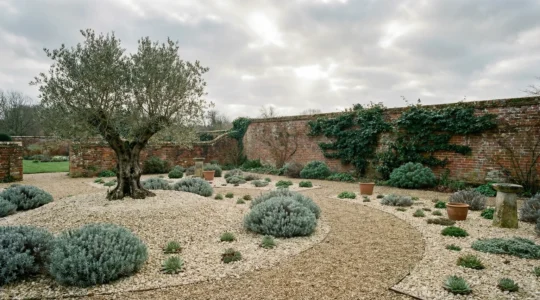
How to Adapt Xeriscaping Principles for Wet British Winters?
Success in British xeriscaping isn’t about how dry you can keep the soil in August, but how quickly you can drain it in January. Heavy clay soils require aggressive amendment with grit, not just organic matter, to prevent root rot….
Lire la suite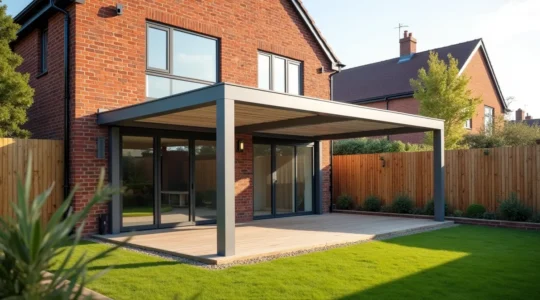
Do You Need Planning Permission for a Bioclimatic Pergola?
A bioclimatic pergola is not a simple garden accessory; it is a potential building extension under UK law, and misunderstanding this is a frequent and costly error. Most pergolas fall under ‘Permitted Development Rights’ (PDR), but exceeding specific thresholds on…
Lire la suite
How to Properly Irrigate a Vertical Garden on a South-Facing Balcony
The fatal flaw in most vertical gardens isn’t a lack of water, but a failure to manage its physics; success lies in treating your wall as an engineered hydraulic system, not just a set of pots. Gravity and sun exposure…
Lire la suite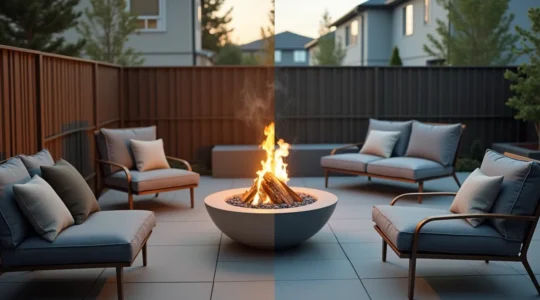
Wood vs Gas Fire Pits: Which Is Legal in Smoke Control Areas?
The key to enjoying a fire pit in a UK urban garden isn’t just choosing wood or gas; it’s understanding that gas is the only guaranteed legal and neighbour-friendly option in a Smoke Control Area. Wood-burning fire pits produce smoke,…
Lire la suite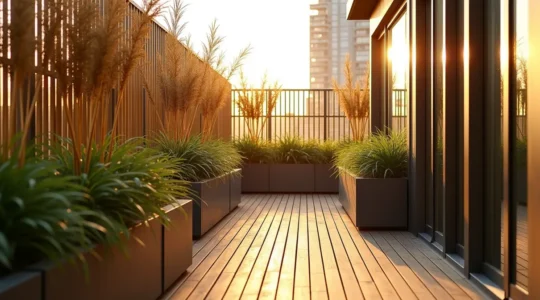
How to Create Privacy on an Overlooked Balcony Without Blocking Light?
True balcony privacy comes from system-level design, not just buying a screen; it’s about mastering the technical constraints of your space. Most privacy solutions fail because they ignore critical factors like building codes, wind forces, and structural weight limits. The…
Lire la suite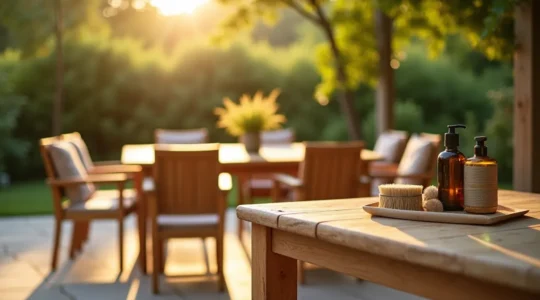
How to Maintain Teak Garden Furniture to Prevent Silvering?
Contrary to popular belief, ‘teak oil’ is the fastest way to ruin your furniture’s golden hue, not preserve it. The silver-grey colour is caused by UV-induced lignin oxidation, a surface-level change, not decay. Most « teak oils » are linseed oil-based, which…
Lire la suite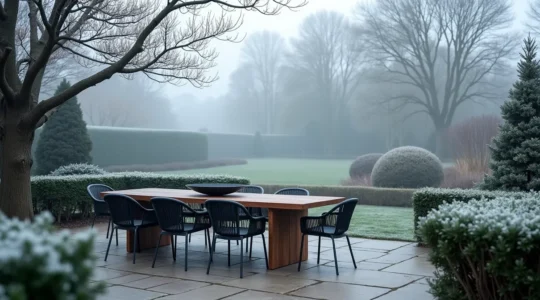
Can Luxury Outdoor Furniture Survive a British Winter Outside?
Protecting luxury furniture through a British winter isn’t about finding storage space; it’s about choosing the right materials from the start and mastering techniques to control moisture and wind. Powder-coated aluminium provides a rust-proof foundation that vastly outperforms organic materials…
Lire la suite
Outdoor sofas combine comfort and durability for all-weather use
Outdoor living spaces have become an extension of our homes, offering a perfect retreat for relaxation and entertainment. At the heart of these spaces are outdoor sofas, designed to withstand the elements while providing the comfort we expect from indoor…
Lire la suite