
The secret to spotless matte cabinets isn’t constant cleaning; it’s choosing a surface with superior microsurface technology from the outset.
- Oils become trapped in the microscopic peaks and valleys of standard matte finishes, making them difficult to remove.
- Advanced materials like acrylic or nanotech laminates (Fenix NTM) are engineered to be non-porous and actively resist fingerprints.
Recommendation: Instead of focusing on cleaning products, invest in a finish with proven anti-fingerprint properties and understand its specific care requirements to ensure a pristine look.
The allure of matte black kitchens is undeniable. They exude a sophisticated, modern elegance that has captured the imagination of homeowners and designers alike. Yet, for many, especially parents, this dream is quickly overshadowed by a practical nightmare: the constant battle against greasy fingerprints and smudges that seem to multiply on dark, soft-touch surfaces. The common advice revolves around a cycle of endless wiping with microfiber cloths and special cleaners, turning a high-end aesthetic into a high-maintenance chore. This approach treats the symptom, not the cause.
But what if the solution wasn’t found in a cleaning bottle, but in the very science of the cabinet surface itself? From a material technologist’s perspective, the conversation must shift from reactive cleaning to proactive material selection. The tendency of a surface to show fingerprints is not a simple fact but a direct result of its microscopic topography and chemical composition. Understanding the difference between a simple painted matte finish and an engineered nanotech laminate is the true key to achieving a kitchen that is both stunning and practical for family life. This guide moves beyond generic tips to explore the underlying technology, material durability, and proper maintenance protocols that genuinely prevent fingerprints, ensuring your investment remains as flawless as the day it was installed.
This article will deconstruct the science behind matte surfaces and equip you with the knowledge to make informed decisions. We’ll explore why oils are so stubborn, compare the resilience of different materials, and reveal the correct maintenance techniques that protect your finish for the long term.
Summary: Your Guide to a Flawless Matte Kitchen Finish
- Why Oils from Hands Are Harder to Remove from Matte Finishes
- How to Fix Scratches in Soft-Touch Matte Lacquer
- Acrylic Matte vs Painted Matte: Which Chips Less Easily?
- The ‘Magic Eraser’ Error That Polishes Your Matte Surface
- When to Order Touch-Up Pots: Before Installation Begins
- Matt vs Gloss Cabinets: Which Is Easier to Clean with Kids?
- How to Fake High-End Joinery with IKEA Hacks and Custom Fronts
- Which High-End Finishes Actually Add Value to a London Flat?
Why Oils from Hands Are Harder to Remove from Matte Finishes
The fundamental reason fingerprints cling so stubbornly to matte surfaces lies in their microscopic structure. Unlike a glossy finish, which is perfectly smooth and non-porous, a matte finish achieves its signature low-sheen look through a micro-texture. Imagine a landscape of microscopic peaks and valleys. When oils and residues from our hands touch the surface, they don’t just sit on top; they settle into these tiny valleys. This makes them significantly harder to wipe away completely, as a simple cloth glides over the peaks, often leaving the oils behind.
This physical trapping mechanism is why water and a basic cloth can seem to smear the grease around rather than remove it. While it’s true that, from a distance, matte finishes effectively conceal fingerprints better than highly reflective glossy surfaces, once a greasy mark is established, it requires a more specific approach to lift the oil out of this micro-texture. To effectively clean these surfaces without damaging the finish, a specific process is required.
The correct method involves using a solution that can break down the oil and a tool that can gently work it out of the surface texture. Here is a proven, safe process:
- Create a Mild Cleaning Solution: Mix a few drops of mild dish soap with warm water in a spray bottle. It is critical to avoid hot water, as extreme temperatures can potentially damage the delicate lacquer or laminate finish over time.
- Apply with a Microfiber Cloth: Never spray the solution directly onto the cabinet door. This can cause streaking and allow liquid to seep into seams. Instead, lightly spray the solution onto a clean, soft microfiber cloth.
- Wipe Gently: Wipe the affected area using gentle, circular motions. This helps the fibers of the cloth get into the micro-texture to lift the oil. For very stubborn grease, a diluted solution of white vinegar can be applied for 5-10 minutes before wiping clean with a water-dampened cloth and drying immediately.
How to Fix Scratches in Soft-Touch Matte Lacquer
Beyond fingerprints, the second greatest fear for owners of matte cabinets is scratches. A deep gouge on a pristine, dark surface can be heartbreaking. While traditional painted or lacquered surfaces require professional repair, the forefront of material science has introduced a groundbreaking solution: thermal healing. This technology is most notably found in advanced materials like Fenix NTM, which are revolutionizing kitchen durability.
These surfaces are engineered using nanotechnology with a multilayer structure. This not only provides exceptional resistance to fingerprints but also allows for the repair of superficial micro-scratches. The process works by applying controlled heat to the affected area. The heat activates the resin particles within the material’s nanostructure, causing them to re-flow and smooth over the scratch, effectively “healing” the surface and restoring its uniform appearance. This is a game-changer for high-traffic kitchens where minor accidents are inevitable.
To fully appreciate this technology, one must visualize the surface at a microscopic level, where the repair takes place.
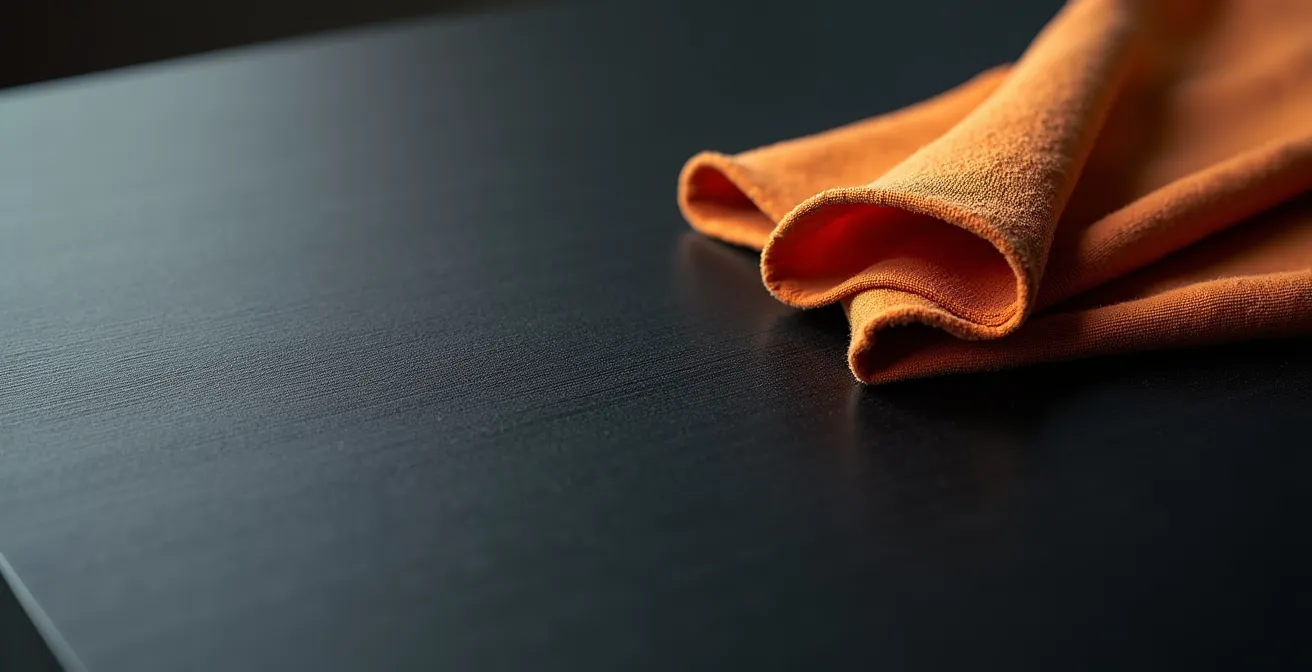
As this detailed view suggests, the repair is not a cover-up but a genuine restoration of the material itself. The case of Fenix NTM’s thermal healing technology is a prime example of this innovation in action. For superficial micro-scratches, placing a damp cloth over the scratch and applying a warm iron for a few seconds can make the mark disappear. This makes the surface not just beautiful but remarkably resilient and forgiving, an ideal characteristic for a busy family home.
Acrylic Matte vs Painted Matte: Which Chips Less Easily?
When selecting a matte finish, the choice of material is far more important than the color. The two most common options, painted matte and acrylic matte, offer vastly different levels of durability, especially concerning chipping and scratching. A painted matte finish is created by applying layers of pigmented paint and a matte topcoat over a substrate, typically Medium-Density Fibreboard (MDF). While elegant, this layered construction is its primary vulnerability. A sharp impact can easily chip the paint, exposing the lighter-colored primer or MDF core beneath, creating a very noticeable blemish.
In contrast, high-quality acrylic matte doors are constructed differently. The color is not a surface layer but is solid throughout the acrylic material itself. This means that if a scratch does occur, it is far less visible because there is no different-colored layer underneath to be exposed. Furthermore, acrylic is a harder, more resilient material than paint, offering superior resistance to the daily bumps and knocks of a busy kitchen. As design experts from Dremax Kitchen Cabinets note, this is a critical distinction for longevity:
Painted matte cabinets may chip or stain more easily than laminate or high-end thermofoil options. This means that although they look elegant, they might need more maintenance or careful use in high-traffic areas.
– Dremax Kitchen Cabinets, Kitchen Cabinet Material Analysis
Another crucial factor is edge durability. Painted edges are susceptible to moisture ingress and peeling over time, whereas modern acrylic doors often feature laser edge-banding, which creates a seamless, watertight seal that is far more robust.
The following table, based on an in-depth analysis of cabinet materials, summarizes the key differences in durability:
| Feature | Acrylic Matte | Painted Matte |
|---|---|---|
| Chip Resistance | High – solid color throughout | Medium – layered construction shows damage |
| Scratch Visibility | Minimal – homogeneous material | High – exposes primer/MDF underneath |
| Edge Durability | Excellent with laser edge-banding | Vulnerable to moisture and peeling |
| Impact Resistance | Good for everyday bumps | Softer but prone to chipping |
| Maintenance Required | Low – easy to clean | Higher – needs careful handling |
The ‘Magic Eraser’ Error That Polishes Your Matte Surface
When faced with a stubborn mark, it can be tempting to reach for a powerful cleaning tool like a Magic Eraser. This is, however, one of the most damaging mistakes you can make on a matte cabinet finish. A Magic Eraser is not a sponge; it’s an extremely fine abrasive, essentially a micro-sanding block. When you rub it on a matte surface, you are not cleaning it—you are physically abrading the micro-texture that creates the matte effect. This process polishes the surface, creating a permanent shiny or semi-gloss patch that ruins the uniform, low-sheen appearance. This damage is irreversible.
The irony is that with the right material choice, such aggressive cleaning is entirely unnecessary. Advanced surfaces with anti-fingerprint technology are designed to release oils easily with gentle cleaning. For instance, an analysis of Fenix anti-fingerprint surfaces shows they demonstrate up to 85% fewer visible marks than standard laminates, drastically reducing the need for constant or harsh cleaning. The key is to trust the technology of the surface and use only approved, non-abrasive methods.
Protecting your investment means avoiding all abrasive cleaners, including scouring pads, bleach, and ammonia-based products. Instead, rely on the methods proven to be safe and effective for these specialized finishes. The following checklist outlines the technologist-approved approach to safe cleaning.
Your Action Plan: Safe Cleaning for Matte Cabinets
- Use Natural Cleaners: For everyday cleaning and light marks, stick to a simple solution of mild dish soap mixed with warm water. It’s effective and completely safe for the finish.
- Apply a Vinegar Solution for Grease: For tougher, greasy build-up, use a diluted solution of one part white vinegar to three parts water. Apply with a cloth, let it sit for a few minutes to break down the oil, then wipe clean.
- Choose Microfiber Cloths: Always use a soft, damp microfiber cloth. Its fine fibers are excellent at picking up dirt and oil from the surface’s micro-texture without being abrasive.
- Avoid All Abrasives: Make it a rule to never use Magic Erasers, powdered cleansers, steel wool, or any harsh chemical cleaners containing bleach or ammonia.
- Schedule a Monthly Deep Clean: For a more thorough cleaning, use a pH-neutral commercial cleaner specifically designated as safe for matte cabinet finishes to tackle any stubborn spots.
When to Order Touch-Up Pots: Before Installation Begins
Even with the most durable materials and careful use, accidents can happen. A dropped pan or a sharp object can cause a chip or deep scratch that goes beyond what thermal healing can fix. The key to a seamless repair in these situations is having a perfect color and sheen match. This is why professional installers and material technologists alike strongly recommend ordering your repair materials at the same time as your initial cabinet order. Waiting to order a touch-up kit later can result in a mismatch, as production batches of paint and laminate can have slight variations in color and gloss level over time.
Being prepared from day one is a professional approach to long-term home maintenance. A comprehensive “first-aid kit” for your cabinets should be considered an essential part of the project. This preparation is especially vital for families, as it provides peace of mind that minor damage can be addressed quickly and effectively. According to insights from professional installers, homeowners are increasingly choosing textured and matte finishes because they better hide wear, but this strategy is only effective when paired with a plan for repairs.
A well-stocked touch-up kit is a small upfront investment that pays dividends in the longevity and appearance of your kitchen.
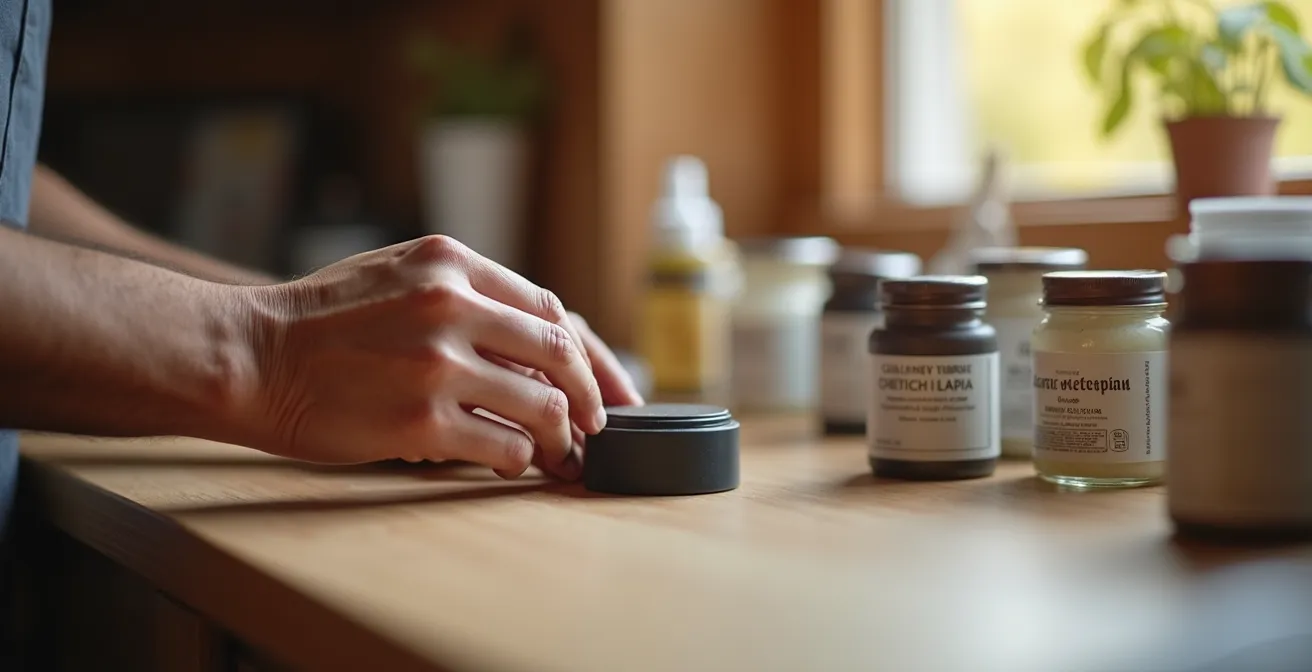
Your professional cabinet first-aid kit should contain several key components to ensure you’re ready for any eventuality. Industry best practices recommend including paint pots or pens with exact color/sheen codes, a few material off-cuts for testing repair techniques before applying them to a cabinet door, and extra edge-banding material for potential repairs along vulnerable edges. Having these materials on hand, perfectly matched to the original batch, turns a potential disaster into a manageable task.
Matt vs Gloss Cabinets: Which Is Easier to Clean with Kids?
For parents, the “easy to clean” metric often outweighs all others. The classic debate between matte and gloss finishes takes on a new dimension when sticky fingers and frequent spills are part of daily life. At first glance, glossy cabinets seem to be the winner. Their smooth, non-porous surface allows for spills and smudges to be wiped away effortlessly with a simple cloth. However, this same reflective quality is their biggest downfall in a family setting. Every single fingerprint, water spot, and smudge is highlighted by the light, meaning they require constant wiping to look clean.
Matte finishes, on the other hand, play a different game. Their light-absorbing surface is incredibly effective at hiding minor smudges and fingerprints from a distance, making them look cleaner for longer. While a sticky jam handprint will require a more dedicated cleaning process (as discussed earlier) compared to a simple wipe on gloss, the overall frequency of cleaning is much lower. For busy parents, this often means matte is the more practical choice, as it doesn’t demand constant attention to maintain its appearance.
Furthermore, matte surfaces are generally more resistant to showing the fine micro-scratches and swirls that inevitably appear on high-gloss finishes from repeated cleaning over time. A detailed comparison of family-friendly features clearly outlines these trade-offs.
| Aspect | Matte Cabinets | Gloss Cabinets |
|---|---|---|
| Fingerprint Visibility | Hidden effectively | Highly visible |
| Scratch Resistance | Better resistance to micro-scratches | Shows swirls and scratches easily |
| Cleaning Ease | Needs deeper cleaning for sticky substances | Easy wipe for spills but constant cleaning needed |
| Light Reflection | Absorbs light, cozy atmosphere | Reflects light, makes room appear larger |
| Best For Families | High-traffic kitchens with kids | Small spaces needing brightness |
How to Fake High-End Joinery with IKEA Hacks and Custom Fronts
Achieving a high-end, custom-joinery look doesn’t necessarily require a six-figure budget. One of the most effective strategies in modern kitchen design is the “IKEA hack,” where standard, affordable IKEA cabinet boxes are paired with high-quality custom fronts. This approach allows you to invest in the most visible and tactile part of the kitchen—the doors—while saving significantly on the carcass structure. It’s the perfect way to incorporate the advanced material technologies we’ve discussed into a more accessible project.
The trend towards sleek, frameless cabinets makes this strategy particularly effective. Frameless designs offer enhanced storage and a minimalist aesthetic that perfectly complements modern matte finishes. By choosing custom fronts made from superior materials, you can elevate the entire look and feel of the kitchen. This is where technologies like Fenix NTM become accessible. Companies like Plykea specialize in creating these high-performance fronts specifically designed to fit IKEA’s METOD cabinet system.
This method provides the best of both worlds: the cost-effectiveness and proven functionality of IKEA infrastructure combined with the luxurious, durable, and fingerprint-resistant qualities of a premium surface. The Fenix NTM custom fronts for IKEA cabinets case study perfectly illustrates this. Homeowners can get a kitchen with sophisticated anti-fingerprint nanotechnology and thermal healing properties at a fraction of the cost of a fully bespoke kitchen. The result is a kitchen that looks and performs like a high-end installation, with a pristine, easy-to-maintain surface that stands up to daily life.
Key takeaways
- The root cause of fingerprints on matte surfaces is their micro-texture, which traps oils.
- Advanced materials like acrylic and nanotech laminates offer superior durability and fingerprint resistance compared to standard painted finishes.
- Never use abrasive cleaners like Magic Erasers, as they permanently polish and damage the matte effect; use mild, approved solutions instead.
Which High-End Finishes Actually Add Value to a London Flat?
In a competitive property market like London, kitchen renovations are often undertaken with an eye on adding resale value. The choice of finish plays a significant role in this calculation. While trends come and go, durable, high-quality, and low-maintenance features provide timeless value. A significant draw of high-end matte finishes, particularly those with anti-fingerprint technology, is their inherent practicality. They signal a thoughtful, quality installation that will not become a burden for the next owner, which is a powerful selling point in busy urban lifestyles.
However, not all matte finishes are created equal. While premium nanotech laminates or solid acrylics can add tangible value, cheaper, poorly executed matte finishes can actually be a detriment. Design experts note that while ultra-matte was a strong trend, some low-quality versions show every scuff and fingerprint, making upkeep difficult. In these cases, a softer sheen or a lightly textured finish that interacts better with natural light can be a safer bet, adding depth and a sense of quality without the high-maintenance drawback.
The key to adding value is to invest in a finish that balances a sophisticated aesthetic with proven performance. A kitchen that looks beautiful but is difficult to maintain will be seen as a liability, not an asset. Therefore, a finish like Fenix NTM or a high-grade acrylic matte, which actively resists fingerprints and wear, offers a much stronger return on investment than a simple painted matte surface that may look worn after only a few years. It’s the underlying technology and durability, not just the color, that truly adds lasting value to a property.
To truly master the art of a low-maintenance matte kitchen, your focus must shift from cleaning products to material science. By understanding the technological differences between finishes and investing in a surface engineered for performance, you can create a space that is not only visually stunning but also perfectly suited to the demands of modern family life. Prioritize durability, anti-fingerprint properties, and proper care from the start, and you will win the battle against smudges before it even begins.