Furniture and decorative accessories
Transforming a house into a home requires more than four walls and a roof. Furniture and decorative accessories form the foundation of every living space, determining not just how a room looks but how it functions, flows, and feels. Whether you’re furnishing a compact studio flat or curating pieces for a spacious family home, understanding the principles behind smart furniture choices can save thousands of pounds whilst creating spaces that genuinely enhance daily life.
The world of interior furnishing has evolved dramatically in recent years. Space-saving mechanisms have become engineering marvels, vintage furniture has emerged as a genuine investment class, and smart technology now controls everything from lighting colour temperature to outdoor shade positioning. This complexity can feel overwhelming, but the fundamentals remain reassuringly simple: choose pieces that solve real problems, invest wisely in quality where it matters, and understand that every room tells a story through its contents.
This resource explores the essential categories of furniture and decorative accessories, from multifunctional pieces designed for small spaces to statement lighting that acts as room jewellery. Each section addresses practical concerns—durability, safety, installation, and value—whilst helping you develop an eye for quality that will serve you for decades.
Space-Saving Furniture: Engineering Solutions for Compact Living
Urban living increasingly means making peace with smaller square footage. Studio flats under 40 square metres have become standard in major cities, transforming space-saving furniture from a niche interest into an essential category. The good news? Modern engineering has produced genuinely elegant solutions that previous generations couldn’t have imagined.
Wall Beds and Murphy Bed Mechanisms
The wall bed concept—a bed that folds vertically into a cabinet—has existed for over a century, but contemporary versions bear little resemblance to their creaky ancestors. Quality mechanisms now use either piston or spring systems, each with distinct longevity profiles. Piston mechanisms typically offer smoother operation and longer lifespan, though they cost more initially. Spring mechanisms remain reliable when properly maintained but may require adjustment after several years of use.
Safety deserves serious attention in this category. Budget Murphy beds occasionally enter the market with inadequate locking mechanisms or inferior weight ratings. A properly engineered wall bed should feature:
- Dual locking systems preventing accidental deployment
- Weight-rated pistons or springs matched to mattress specifications
- Sturdy frame construction capable of decades of daily use
- Clear installation instructions for proper wall anchoring
Transformable Tables and Modular Storage
Beyond beds, the transformable furniture category includes dining tables that conceal within coffee tables and modular shelving systems that adapt to changing needs. These pieces solve genuine problems—hosting dinner parties in spaces that normally couldn’t accommodate a table for six, or storing extensive book collections in rooms with limited floor space.
When securing heavy modular shelving to plasterboard walls, proper anchoring becomes critical. The weight distribution across multiple fixing points, using appropriate cavity anchors rated for the intended load, prevents the disasters that give modular furniture an undeserved reputation for instability.
Wall Art and Display: Decorating Without Destruction
Decorative accessories transform blank walls into expressions of personality, yet hanging art presents unique challenges—particularly in rental properties or homes with delicate wall finishes. Understanding the weight implications of different art formats and mastering damage-free hanging techniques opens possibilities that many renters assume are off-limits.
Canvas Versus Framed Prints
The choice between canvas and framed prints extends beyond aesthetics to practical weight considerations. Stretched canvas typically weighs significantly less than glass-fronted frames, making it suitable for adhesive hanging solutions that leave no permanent marks. A large canvas measuring 100cm by 80cm might weigh under 2kg, whilst an equivalently sized framed print with glass could exceed 8kg—the difference between adhesive strips and serious wall anchors.
Rental-Friendly Hanging Solutions
Most landlords prohibit traditional fixings and even Blu-Tack, which removes paint when pulled away. Modern adhesive strips designed specifically for picture hanging have transformed this landscape. These products support substantial weights when applied correctly whilst removing cleanly upon departure. The technique matters enormously:
- Clean the wall surface thoroughly with isopropyl alcohol
- Allow the adhesive to bond for at least one hour before hanging
- Respect weight ratings without exception
- Follow removal instructions precisely, pulling downward rather than outward
Scale and Proportion Principles
High ceilings present a counterintuitive challenge: they often appear empty and unwelcoming despite generous proportions. The scale error most commonly made involves hanging standard-sized artwork at eye level, leaving vast expanses of blank wall above. Larger pieces hung higher, gallery-style arrangements, or leaning art shelf layouts all address this proportion problem more effectively than simply adding more small pieces.
Designer Chairs and Vintage Furniture: Investment and Authentication
Certain furniture pieces transcend mere function to become recognised design icons—and genuine investment opportunities. The market for designer chairs and vintage furniture operates by rules worth understanding before making significant purchases.
Why Authentic Pieces Command Premium Prices
A genuine Knoll Barcelona chair costs approximately £6,000 more than a high-quality replica. This premium reflects several factors beyond brand prestige: authentic pieces use specific materials and construction methods, carry warranties, and retain resale value that replicas cannot match. Vintage pieces from the original production era—particularly mid-century designs from the 1960s—sometimes appreciate rather than depreciate, making them simultaneously functional objects and financial assets.
Spotting Reproductions and Fakes
The market contains everything from honest reproductions clearly marketed as such to deliberate fakes presented as originals. Authenticating an Eames Lounge Chair, for instance, involves examining:
- Label placement and typography consistent with production era
- Shell material (genuine pieces use specific wood veneers)
- Hardware finishes and shock mount configurations
- Provenance documentation where available
Caring for Vintage Leather
Once acquired, vintage furniture requires informed maintenance. Vintage leather particularly suffers from well-intentioned but incorrect cleaning. Harsh detergents strip natural oils, causing cracking and dramatically reducing both aesthetic appeal and monetary value. Specialist leather cleaners followed by appropriate conditioning products preserve both the patina that collectors value and the material integrity that ensures continued use.
Modular Sofas: Configuring Seating for Real Rooms
The modular sofa has emerged as the defining seating solution for contemporary homes, offering flexibility that traditional sofas cannot match. Their appeal extends beyond aesthetics to solve genuine logistical problems—particularly the challenge of delivering large furniture through narrow hallways and staircases that characterise many properties.
Layout Configuration for Awkward Spaces
Modular systems allow L-shaped, U-shaped, or linear configurations using identical components. This adaptability proves invaluable in rooms with unusual proportions, multiple doorways, or architectural features that fixed-shape sofas cannot accommodate. The same sofa can reconfigure from movie night arrangement (facing the screen) to cocktail party layout (facilitating conversation) within minutes.
Cushion Construction and Longevity
Seat cushion filling divides into two primary categories: feather and foam. Feather cushions offer luxury feel but require regular plumping and eventually compress permanently. High-resilience foam maintains shape longer but feels firmer. Many quality sofas use a combination—foam cores wrapped in feather or fibre layers—balancing comfort against longevity.
Securing Modules and Depth Considerations
Modules that slide apart during use frustrate owners and guests alike. Proper connectors—clips, straps, or interlocking mechanisms underneath—prevent this problem entirely. Equally important is depth selection: oversized cushions block traffic flow in smaller rooms, whilst insufficient depth sacrifices comfort. Measuring both the sofa footprint and the remaining circulation space prevents the depth error that renders otherwise beautiful rooms impractical.
Lighting: The Jewellery of Interior Design
Designers frequently describe lighting as a room’s jewellery—decorative accessories that simultaneously serve essential function. The correct lighting scheme transforms atmosphere, highlights architectural features, and enables everything from focused work to relaxed entertaining.
Pendants and Chandeliers for Different Ceiling Heights
Low ceilings restrict fixture choice considerably. Pendant lights typically require adjustment for rooms below 2.4 metres, whilst elaborate chandeliers may prove impractical entirely. Flush-mount or semi-flush alternatives deliver visual interest without the headroom concerns. When shortening pendant cables, maintaining aesthetic proportions requires careful attention—typically positioning fixtures 75-90cm above dining tables or 180-200cm above floor level.
Colour Temperature and Fixture Materials
The warm white versus cool white debate affects every LED purchase. Brass and copper fixtures pair naturally with warmer colour temperatures (2700-3000K), whilst chrome and nickel complement cooler whites (3500-4000K). Mixing colour temperatures within a single space creates subtle visual discord that many homeowners sense without identifying.
Dimming Without Technical Problems
LED dimming technology has improved dramatically, yet flickering and buzzing remain common complaints. These issues typically stem from incompatibility between bulbs and dimmer switches. Trailing-edge dimmers designed specifically for LED loads, rather than legacy leading-edge dimmers intended for incandescent bulbs, eliminate most problems. Checking manufacturer compatibility lists before purchasing prevents frustration and wasted expenditure.
Outdoor Living: Automated Shade and Motorised Solutions
The boundary between indoor and outdoor living continues to blur, with motorised pergola louvers and automated shade systems extending comfortable outdoor hours significantly. These systems introduce technology considerations rarely encountered with traditional furniture.
Environmental Sensors and Protection
Wind sensors arguably matter more than rain sensors for automated outdoor systems. Sudden gusts can damage motorised louvers if they’re positioned incorrectly, whilst rain merely falls on surfaces designed to handle moisture. Programming automatic wind response—louvers rotating to their most aerodynamic position when sensors detect dangerous conditions—protects equipment without requiring manual intervention.
Control Protocols and Power Supply
Wireless control systems use various protocols, with Zigbee and RTS among the most common. Zigbee offers smart home integration and mesh networking capabilities; RTS (Radio Technology Somfy) provides reliable dedicated control with extensive manufacturer support. Running power to outdoor structures presents its own challenges—trenching through lawns disrupts landscapes and incurs significant labour costs, whilst overhead solutions may compromise aesthetics. Surface-mounted conduit or shallow trenching beneath paving often provides practical compromises.
Furniture and decorative accessories ultimately serve a single purpose: making living spaces work better for their inhabitants. Whether that means a wall bed that reclaims floor space, authentic designer pieces that appreciate over decades, or automated systems that adjust to weather conditions, informed choices create environments that enhance daily life rather than complicating it. Each category rewards the time invested in understanding quality markers, proper installation, and appropriate maintenance—knowledge that transforms furniture from mere expenditure into lasting investment.
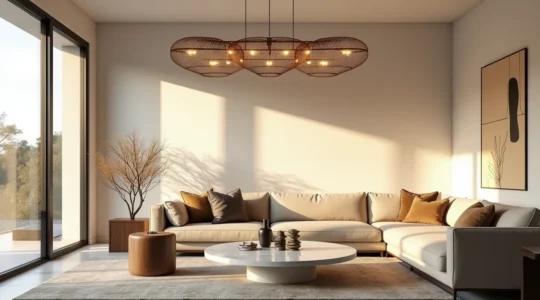
Pendant or Chandelier: How to Choose Dramatic Lighting for Low Ceilings
Dramatic, sculptural lighting is achievable even with standard 2.4m ceilings; the secret is in the technical details, not just the fixture type. Master cable management to transform excess length into an intentional design feature. Use high-CRI, warm-toned LEDs with the…
Read more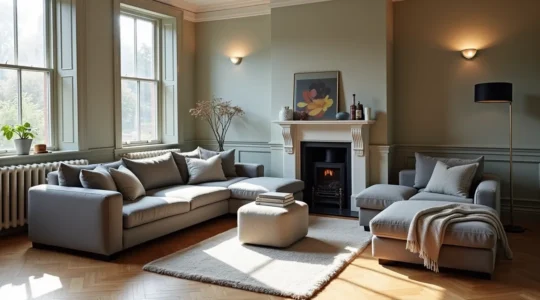
Modular Sofas: How to Configure a Layout for Awkward Living Rooms?
The geometry of older UK homes makes standard sofas impractical; a modular sofa is the only true architectural solution. It breaks down into manageable sections to navigate the narrow hallways and tight pivot points common in period properties. It allows…
Read more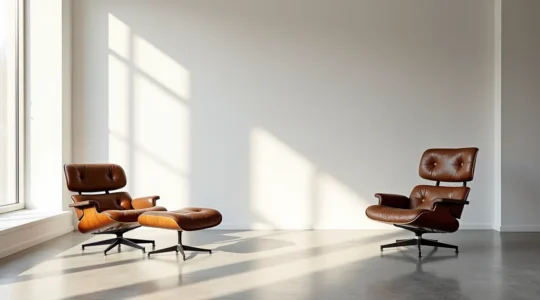
Investing in Icons: Which Designer Chairs Hold Their Value Best?
Investing in iconic chairs is profitable, but only if you can distinguish an appreciating asset from a depreciating lookalike. Authentication is about structural DNA and material integrity, not just labels which can be faked. Vintage pieces often trump new production…
Read more
How to Choose Statement Art for Rental Properties Without Damaging Walls?
The fear of losing your deposit shouldn’t mean living with bare walls; mastering the *method* of temporary installation is the key to bold, damage-free decorating. Adhesive solutions fail from improper use, not poor quality. Wall preparation and respecting weight limits…
Read more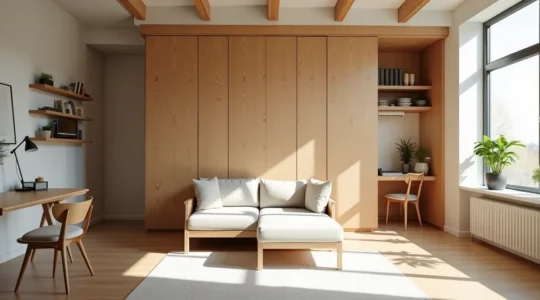
Smart Furniture Solutions for Studio Flats Under 40 Square Metres
The right smart furniture isn’t just about saving space; it’s a financial and engineering investment that unlocks tangible value in your home. A high-quality wall bed can add thousands to your property’s functional value by creating a dual-purpose room. The…
Read moreWhy are modern carpets essential for contemporary interiors?
Modern carpets have become an indispensable element in contemporary interior design, offering a perfect blend of functionality, aesthetics, and innovation. As the architectural landscape evolves, so too does the role of flooring in creating harmonious and efficient spaces. Today’s carpets…
Read more
Light curtains provide a perfect balance of privacy and natural light
In the realm of interior design, the delicate balance between privacy and natural light plays a crucial role in creating comfortable and inviting spaces. Light curtains, with their innovative materials and advanced technologies, have emerged as a sophisticated solution to…
Read moreUpgrade your home with the latest in designer lighting
Illumination plays a pivotal role in shaping the ambiance and functionality of our living spaces. As technology advances and design aesthetics evolve, the world of interior lighting continues to push boundaries, offering homeowners unprecedented ways to enhance their environments. From…
Read moreHow can you use decorative mirrors to enhance small spaces?
Decorative mirrors are powerful tools for transforming small spaces, creating the illusion of expanded rooms and amplifying light. When strategically placed, mirrors can dramatically alter the perception of a confined area, making it feel more open, airy, and inviting. By…
Read more