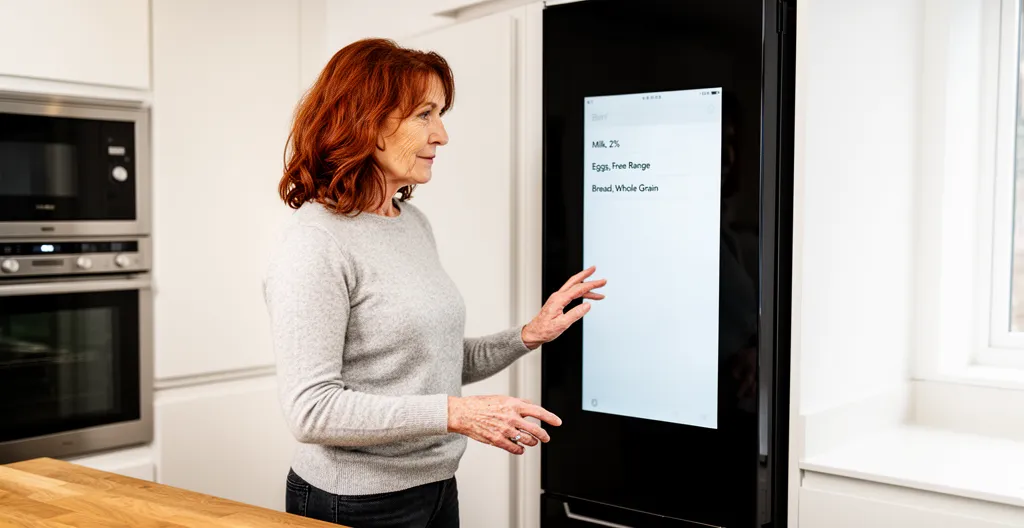
Almost nine out of ten UK households now own at least one smart device, according to Statista market forecast data 2025. That figure caught me off guard when I first saw it. Walking through homes across Surrey and Manchester, I still meet families who think smart equipment means complicated. It does not. Not anymore.
The shift happened quietly. Refrigerators learned to track their own contents. Air conditioning units started anticipating when you arrive home. The question is no longer whether this technology works—it clearly does—but whether it works for your home, your routine, your budget.
Smart home equipment essentials:
- Genuine intelligence means adaptive behaviour, not just app connectivity
- Kitchen equipment delivers convenience; climate control delivers cost savings
- The Matter protocol now enables cross-brand compatibility
- Check your Wi-Fi coverage before purchasing any connected appliance
What this guide covers
What actually makes home equipment intelligent in 2026?
I have lost count of how many times I have walked into a home where the owner proudly shows me their “smart” kettle. It connects to an app. That is it. No learning, no adaptation, no actual intelligence. Just remote control with extra steps.
True intelligent home equipment does something fundamentally different. It observes patterns, makes decisions, and adjusts behaviour without constant input. Your heating system notices you leave for work at eight and returns at six. After a fortnight, it stops waiting for manual programming. It just knows. Manufacturers like Westpoint have pushed this adaptive approach across their climate control ranges, though the principle applies regardless of brand.
Three markers of genuine equipment intelligence:
- Pattern recognition — The device learns from your behaviour over days or weeks
- Autonomous adjustment — Settings change without manual intervention
- Cross-device communication — Equipment shares data to coordinate responses
If an appliance only offers remote control via app, it is connected. Not intelligent.
The good news? Compatibility chaos is finally resolving. According to the Connectivity Standards Alliance Matter specification, devices from multiple brands now work natively together through IP-based connectivity. Google Home, Amazon Echo, Apple TV—all officially support Matter. One protocol. Multiple ecosystems. Frankly, this should have happened years ago.
The cases I have observed show a clear pattern. Homeowners who bought smart devices between 2018 and 2022 often ended up with three different apps controlling three different brands. Exhausting. Those buying now can finally expect reasonable interoperability.
Kitchen intelligence: where smart cooking and refrigeration deliver
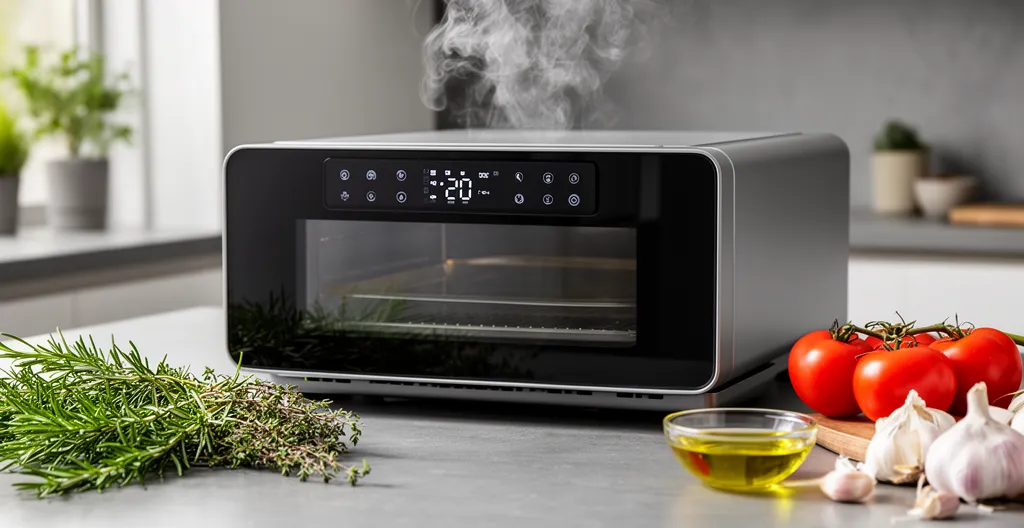
I remember Tom, a software developer in Bristol I consulted with last winter. New-build flat with an open-plan kitchen. He wanted the full setup—smart oven, connected hob, intelligent refrigerator all talking to each other. The vision was beautiful. The reality? His smart oven required a firmware update that bricked the unit for two days before the manufacturer support responded. The system now works, but through two separate apps rather than the unified control he expected.
His story is not unusual. Integration promises often exceed delivery reality.
That said, smart kitchen equipment genuinely delivers in specific areas. Intelligent refrigerators with multiple temperature zones and inventory tracking reduce food waste considerably. Connected ovens that recognise what you are cooking and adjust time and temperature automatically—these features actually get used. Voice-controlled timers while your hands are covered in flour? Genuinely useful.
Where kitchen intelligence delivers
-
Reduced food waste through inventory awareness
-
Hands-free operation during cooking
-
Remote preheating and monitoring
Honest limitations to consider
-
Multiple apps often required despite Matter progress
-
Firmware updates can temporarily disable features
-
Premium pricing with marginal daily benefit for some features
My honest assessment? Start with refrigeration if you cook regularly. The smart features there—temperature zone optimisation, door-open alerts, expiry tracking—see daily use. Smart ovens and hobs deliver less consistent value unless you genuinely need remote monitoring.
Climate control: how intelligent HVAC transforms home comfort
This is where I always recommend starting. Not because kitchen equipment lacks merit, but because intelligent climate control delivers the fastest return on investment. The numbers support this.
1.4%
of properties in England currently have heat pumps installed
That figure from Office for National Statistics data on heat pumps reveals enormous room for growth. Most UK homes still rely on conventional heating with basic programmable thermostats. The efficiency gap is substantial.

I think about Margaret, a retired teacher in a Victorian terraced house in Manchester. She installed intelligent air conditioning expecting substantial energy savings—the manufacturer materials suggested figures around forty percent. Reality proved more complicated. Her unit defaulted to manual mode because of an incompatible home automation protocol. We resolved it eventually with a bridge device, but her final savings landed closer to twenty-five percent. Still meaningful. Just not what the brochure promised.
The gap between advertised and actual performance stems from ecosystem fragmentation. That same fragmentation is slowly resolving through Matter adoption, but we are not there yet.
When working with clients upgrading to intelligent climate equipment, I observe a consistent adaptation pattern:
-
Enthusiasm and exploration of all available features -
Frustration with app complexity and notification overload -
Settling into three or four core functions that actually matter -
Genuine efficiency habits established, system running autonomously
The learning curve is real. Expect it. Push through the week-three frustration and the system genuinely starts working for you. For those considering broader home improvements, the principles of energy-efficient renovation for lower utility costs apply equally to equipment upgrades.
Your questions about upgrading to intelligent equipment
In my consultations with homeowners, certain questions surface repeatedly. The answers manufacturers avoid giving.
Practical concerns about intelligent home equipment
How much more does intelligent equipment actually cost?
Expect a premium of roughly twenty to forty percent over standard equivalents. That gap has narrowed significantly since 2020. The real calculation involves running costs over five to seven years, where efficiency gains often offset the initial premium—particularly for climate control equipment.
Will my home Wi-Fi support smart appliances?
This catches more people than any other factor. In roughly a third of cases I observe, smart features underperform because the appliance sits in a connectivity dead zone. Before purchasing, test signal strength exactly where the equipment will be installed. Kitchen corners and utility rooms are notorious black spots.
What happens when the manufacturer stops supporting the app?
Valid concern. Most intelligent equipment retains basic functionality without app support—your refrigerator still refrigerates. But the learning features cease. Buying from established manufacturers with Matter certification reduces this risk. The protocol is designed to outlast individual company decisions.
Do I need professional installation?
For HVAC systems—yes, almost always. Both for safety and warranty validity. Kitchen appliances typically require standard electrical connections that any competent installer can manage. The smart features configure through your phone after installation.
What about data privacy with connected devices?
Your smart refrigerator knows when you open the door. Your HVAC knows when you are home. This data typically stays with the manufacturer. Read privacy policies. Opt out of data sharing where possible. Local processing—where the device makes decisions without cloud connectivity—is increasingly available on premium equipment.
Your next steps
Before purchasing any intelligent equipment
-
Map Wi-Fi signal strength in every room where equipment will be installed
-
Verify Matter certification on any device claiming cross-platform compatibility
-
Calculate five-year running costs, not just purchase price
-
Prioritise climate control if energy savings matter most to you
The question worth asking yourself: which appliance would genuinely change your daily routine if it learned your habits? Start there. Skip the gadgets that only add an app to something that worked perfectly without one.