Blog
Your home tells a story—every room, every piece of furniture, every lighting choice contributes to a narrative that reflects your taste, values, and lifestyle. Yet creating cohesive, beautiful interiors that feel both personal and practical can seem overwhelming, especially when balancing heritage features with modern comfort or navigating the growing world of sustainable furniture options.
Whether you’re restoring a Victorian terrace, transforming your bedroom into a restful sanctuary, or weighing whether to rent, buy, or refurbish your next sofa, the principles of thoughtful interior design remain consistent: understand your space, respect its character, and make informed choices that serve both your daily life and long-term goals.
This blog brings together expert insights across three interconnected areas of home interiors. From preserving architectural details that add thousands to your property value, to creating bedrooms that rival boutique hotels, to mastering the economics of furniture ownership in an era of circular consumption—you’ll find practical guidance rooted in real-world experience. Consider this your starting point for exploring the topics that matter most to you.
How do you preserve character in period homes?
Period properties—whether Victorian terraces, Edwardian semis, or Georgian townhouses—possess architectural DNA that modern builds simply cannot replicate. Original cornicing, ceiling roses, chimney breasts, and proportioned rooms represent craftsmanship from eras when detail mattered. Yet many homeowners inadvertently diminish this character through well-meaning but misguided updates.
The art of mixing old and new
The most successful period interiors strike a careful balance. Ultra-modern furniture can look jarring and even cheap against ornate Victorian plasterwork—not because contemporary design lacks quality, but because the visual dialogue between eras feels unresolved. The solution isn’t avoiding modern pieces entirely, but rather selecting items with sympathetic lines, natural materials, and proportions that complement your room’s scale.
Mixing vintage and contemporary décor works beautifully when approached methodically. Start with your non-negotiable period features—fireplaces, mouldings, original flooring—then layer contemporary pieces that echo their shapes or materials without competing. A sleek modern sofa gains warmth beside a restored Victorian mantelpiece; a minimalist pendant light respects rather than fights ornate ceiling roses.
Common mistakes that devalue your property
Certain renovations actively reduce your home’s value. Removing chimney breasts tops this list—what seems like a space-saving measure often costs tens of thousands in resale value and can cause structural complications for neighbouring properties. Similarly problematic decisions include:
- Stripping original cornicing or ceiling roses
- Replacing period doors with flush modern alternatives
- Installing recessed spotlights that disrupt ceiling proportions
- Covering original floorboards with carpet or laminate
Before any renovation, ask yourself: am I enhancing what makes this house special, or erasing it?
Light, paint, and the overlooked hallway
North-facing rooms and narrow hallways challenge many period home owners. Strategic mirror placement bounces available light deeper into spaces, while paint colour choices dramatically affect perceived brightness. Warm whites with yellow undertones prevent the clinical coldness that pure brilliant white creates in limited natural light. Wallpaper can highlight original cornicing beautifully when patterns respect rather than overwhelm the architecture. These relatively simple interventions transform previously gloomy spaces without compromising architectural integrity.
What makes a bedroom feel like a luxury retreat?
The bedroom serves a singular purpose that no other room shares: restoration. Yet bedrooms frequently become dumping grounds for unsorted laundry, excess furniture, and visual clutter that undermines their fundamental function. Creating a sanctuary—one that genuinely rivals five-star hotel experiences—requires understanding what luxury actually means in this context.
Beyond thread count: what actually defines quality bedding
Thread count marketing has dominated bedding conversations for decades, yet experts consistently emphasise it’s merely one indicator among many. Fibre quality, weave type, and finishing processes matter equally or more. A 400-thread-count sheet in long-staple Egyptian cotton will outperform a 1,000-thread-count sheet made from short-staple fibres every time.
When evaluating bedding quality, consider these factors:
- Fibre length: longer staples create smoother, more durable fabric
- Weave type: percale offers crispness while sateen provides silkiness
- Finishing: mercerisation and combing enhance sheen and softness
- Breathability: natural fibres regulate temperature better than synthetics
Mattress selection for different sleep positions
Memory foam and pocket sprung mattresses each suit different sleepers. Side sleepers, who comprise roughly 60% of the population, generally benefit from mattresses offering pressure relief at shoulder and hip points—areas where pocket sprung systems with softer comfort layers often excel. The mattress industry’s complexity demands personal testing and understanding your own sleep patterns rather than following generic recommendations.
Layered lighting and the storage equation
Hotel rooms feel serene partly because lighting operates in layers: ambient, task, and accent sources combine to create versatile atmospheres. Harsh overhead lighting alone prevents the relaxation bedrooms require. Dimmable bedside lamps, subtle wall washers, and the complete absence of visible clutter all contribute to evening ambience that promotes genuine rest.
Storage deserves particular attention. The mistake that destroys bedroom serenity most consistently is allowing belongings to overflow their designated spaces. Wardrobes, under-bed solutions, and bedroom furniture must accommodate everything you need in that room—with nothing left visible except intentional décor.
Soundproofing: why timing matters
For those pursuing ultimate bedroom comfort, soundproofing represents a significant upgrade. However, timing proves critical: acoustic insulation must be installed before plastering, not after. Retrofitting soundproofing into finished rooms becomes exponentially more expensive and disruptive. Planning this during any renovation phase saves both money and frustration.
Is the circular economy changing how we furnish our homes?
Furniture acquisition has evolved beyond the traditional buy-new-dispose-repeat cycle. Renting, buying refurbished, reselling, and donating now form an interconnected ecosystem—the circular economy applied to home furnishings. Understanding this landscape helps you make decisions aligned with both your budget and environmental values.
Renting furniture: when it makes financial sense
Furniture rental appeals to renters, temporary relocations, and those testing styles before commitment. However, the mathematics shift significantly over time. Rental costs typically exceed purchase price somewhere between twelve and eighteen months of continuous rental. Beyond this point, you’re paying premium rates for items you’ll never own.
Equally important: damage clauses in furniture rental agreements deserve careful reading. What constitutes fair wear and tear versus damage varies dramatically between providers, and unexpected charges at lease-end catch many renters unprepared. Short-term flexibility has genuine value; long-term rental rarely represents good economics.
Refurbished, resold, and donated: the second-life spectrum
Refurbished doesn’t automatically mean scratched or compromised. Quality refurbishment processes restore items to near-original condition, often with warranties comparable to new products. The key lies in understanding what refurbishment actually entailed—cosmetic cleaning differs substantially from structural repair and component replacement.
Reselling your own furniture has become remarkably accessible. Popular flat-pack furniture from major retailers can often be resold for around 50% of its retail price, particularly items in good condition with assembly hardware intact. This knowledge transforms furniture purchases from pure expenses into partially recoverable investments.
Donating bulky furniture when charities refuse collection—increasingly common due to logistics costs and quality standards—requires creative solutions:
- Contact local community groups and social enterprises directly
- List items free on social media marketplaces
- Arrange council bulk waste collection as a last resort
- Explore specialist furniture recycling schemes in your area
Keeping furniture from landfill sometimes demands more effort than anticipated, but multiple pathways exist for those willing to explore them.
Creating a home that works beautifully across all these dimensions—respecting period character, prioritising restful bedrooms, and making smart furniture decisions—requires ongoing learning rather than one-time solutions. Each article within this blog explores these themes in greater depth, offering specific techniques, detailed comparisons, and practical advice you can apply immediately. Start with whatever challenge feels most pressing, knowing that thoughtful choices in one area tend to improve your approach everywhere else.
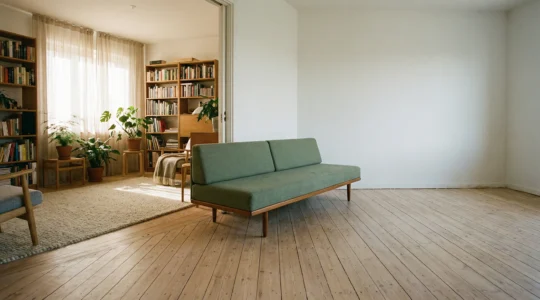
Renting vs Buying Furniture: Is the Circular Economy Cheaper?
Buying strategic assets often beats renting, even for stays as short as 18 months. Furniture subscriptions often hide high long-term costs through damage clauses and strict terms. Reselling quality items or using buy-back schemes can recover up to 50-70% of…
Lire la suite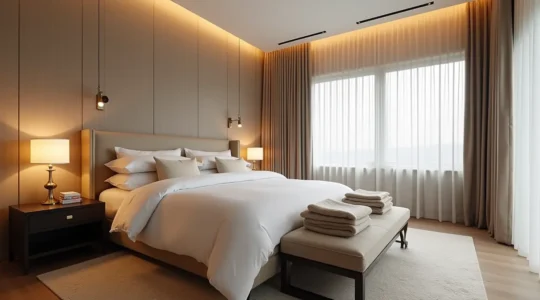
How to Create a Five-Star Hotel Feel in Your Master Bedroom?
Achieving a five-star hotel bedroom has less to do with high thread counts and more to do with mastering the sensory engineering of tranquility. The true luxury of hotel bedding lies in fiber quality and weave, not just an inflated…
Lire la suite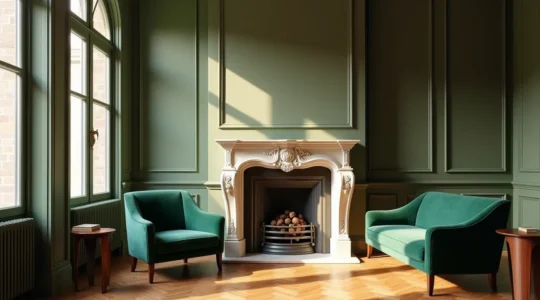
How to Style a Victorian Terrace Without Losing Its Character?
The secret to modernising a Victorian home isn’t ‘contrast’—it’s ‘coherence’. True style comes from matching the integrity and craftsmanship of new pieces to the home’s historic soul. Cheap, mass-produced modern furniture often fails due to a lack of material integrity,…
Lire la suite
Interiors furniture shapes the ambiance and functionality of any space
The art of interior design goes far beyond mere aesthetics. It’s about creating spaces that not only look appealing but also function efficiently and evoke specific emotions. At the heart of this transformative process lies furniture – the essential elements…
Lire la suitePair metal chairs with cushions to enhance comfort and aesthetics
Metal chairs have long been a staple in both residential and commercial spaces, prized for their durability and sleek design. However, the inherent hardness of metal can sometimes compromise comfort, especially for extended seating periods. Enter the perfect solution: pairing…
Lire la suite
How can outdoor lighting improve the security of your property?
Outdoor lighting plays a crucial role in enhancing property security, acting as a powerful deterrent against potential intruders and creating a safer environment for residents and visitors alike. By strategically illuminating key areas around your property, you can significantly reduce…
Lire la suite
Why should you invest in a designer pool for your backyard?
Transforming your backyard into a luxurious oasis with a designer pool is more than just a home improvement project—it’s an investment in your lifestyle and property value. As the trend for high-end outdoor living spaces continues to grow, discerning homeowners…
Lire la suiteWhat are the trending colors for modern interior design?
Color trends in modern interior design are constantly evolving, reflecting our changing lifestyles, cultural influences, and aesthetic preferences. As we embrace new ways of living and working in our homes, the colors we choose play a crucial role in creating…
Lire la suite
Vintage home accessories bridge the gap between the past and present
The allure of vintage home accessories lies in their ability to infuse spaces with character, history, and a unique charm that modern decor often lacks. These timeless pieces serve as a bridge between eras, allowing homeowners to create eclectic interiors…
Lire la suiteFacade modernization: an effective way to improve a building’s exterior
Facade modernization has emerged as a powerful tool for transforming outdated structures into visually striking and high-performing buildings. As urban landscapes evolve, the need to revitalize aging edifices becomes increasingly apparent. By focusing on the building’s exterior, architects and engineers…
Lire la suite